

Social Business Network Logo
    • Advanced Search
  • Guest
    • Login
    • Register
    • Night mode
Preci Measure Cover Image
User Image
Drag to reposition cover
Preci Measure Profile Picture
Preci Measure
  • Timeline
  • Groups
  • Likes
  • Following
  • Followers
  • Photos
  • Videos
Preci Measure profile picture
Preci Measure added new photos to Oil level gauges
1 y

Oil level gauges

Common Issues with Oil Level Gauges in Transformers and How to Troubleshoot Them
Oil level gauges are crucial components in the proper functioning of transformers. Like any mechanical system, oil level gauges can experience problems. Identifying and troubleshooting these issues promptly can help prevent costly repairs and extended downtime. Here are some common problems with oil level gauges in transformers and how to troubleshoot them.
1. Inaccurate Readings
One of the most common issues with oil level gauges is inaccurate readings. This can occur due to a variety of reasons, such as dirt or debris accumulation on the gauge, faulty calibration, or a damaged float mechanism. An inaccurate oil level reading can lead to either overfilling or underfilling of transformer oil, both of which can have negative consequences on the transformer’s performance.
Troubleshooting:
● Inspect the gauge: Check for any dirt, rust, or foreign objects that may be blocking the gauge or float mechanism.
● Recalibrate: If possible, recalibrate the gauge to ensure it provides accurate readings.
● Replace damaged parts: If the float or any other internal component is damaged, replace it to restore accurate oil level measurements.
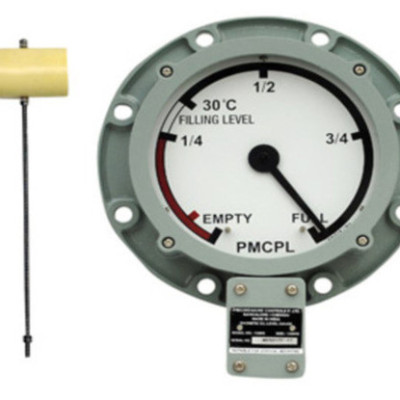
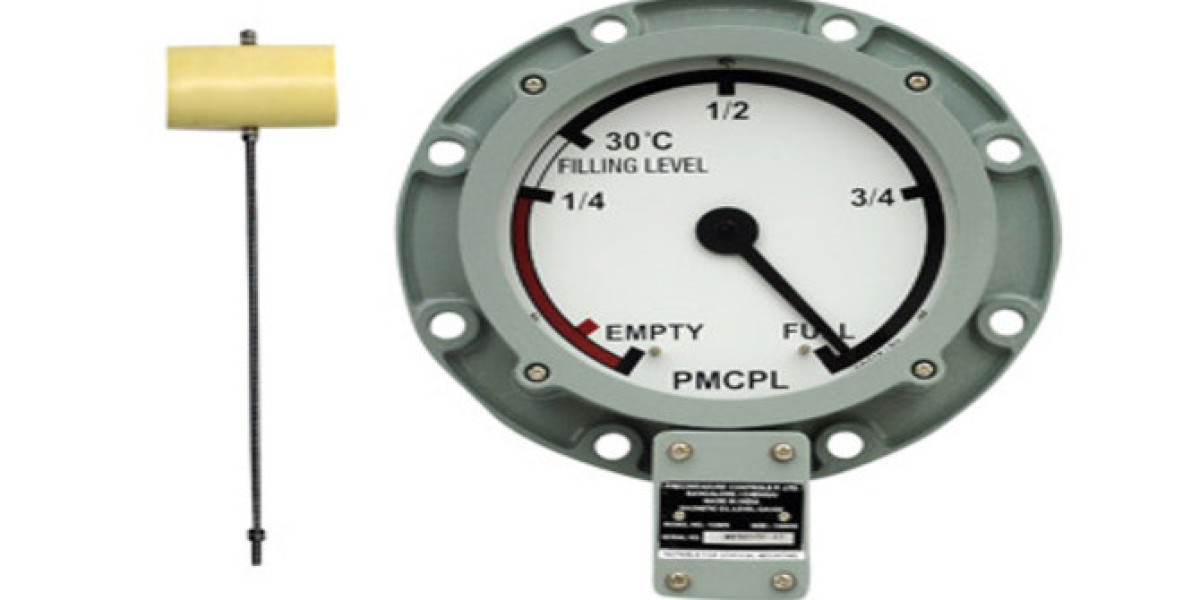
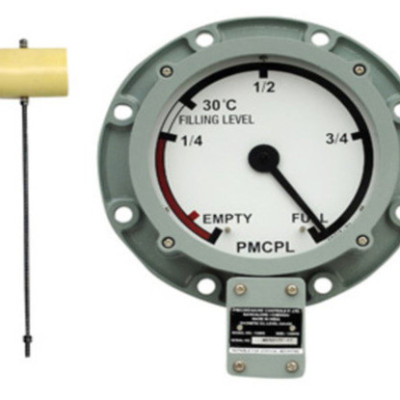
At Precimeasure, The Oil level gauge instruments are suitable for outdoor applications with an IP -55 level capability.
2. Leakage Around the Oil Level Gauge
Leakage around the oil level gauge can occur due to wear on seals or gaskets, corrosion, or improper installation. Oil leaks can lead to loss of cooling oil, which, if not addressed quickly, can cause transformer overheating or even failure.
Troubleshooting:
● Inspect the seals and gaskets: Regularly check for cracks, wear, or degradation of seals and gaskets that might be causing leakage.
● Tighten connections: Ensure all connections around the gauge are properly tightened. Loose fittings can also lead to leaks.
● Replace seals: If the seals are damaged or worn out, replace them to prevent further leakage.
At Precimeasure, we assure prompt address to any customer query.
3. Faulty Gauge Display (Digital or Analog)
Oil level gauges, especially digital versions, can suffer from malfunctioning displays. A faulty display may not show the correct oil level, which can mislead operators into thinking that the transformer is functioning optimally.
Troubleshooting:
● Check the power supply: For digital gauges, ensure that the power supply is intact and functional.
● Inspect wiring connections: Examine the electrical connections for loose wires or corrosion that may be affecting the gauge’s performance.
● Test the gauge: If the gauge is not displaying correctly, test it with a known standard or compare it to a mechanical backup gauge to identify if the fault lies in the gauge itself.
When you purchase products from Precimeasure, we have a warranty of 1 year from the date of its commissioning.
4. Corrosion or Wear Over Time
Due to exposure to moisture, temperature variations, and oil degradation, oil level gauges can become corroded over time. Corrosion can affect the internal components of the gauge, including the float and metal casing, leading to incorrect readings or complete failure of the gauge.
Troubleshooting:
● Inspect for corrosion: Regularly check for signs of rust or corrosion around the gauge and float assembly.
● Clean the components: Clean any corroded parts carefully with a mild cleaning solution to prevent further degradation.
● Replace damaged parts: If corrosion has significantly impacted the function of the gauge, replacing the corroded parts or the entire gauge may be necessary.
To conclude, maintaining a functional oil level gauge in transformers is essential for the longevity and safe operation of the equipment. At Precimeasure, we have oil level measuring dial type instruments to measure the oil level in the transformer tank suitable for all types of transformers. Common issues such as inaccurate readings, leakage, faulty displays, corrosion, and stuck floats can be effectively troubleshooted with regular inspections, cleaning, and timely repairs. Ensuring that oil levels are constantly monitored and correctly maintained can prevent transformer malfunctions, reduce downtime, and help avoid costly repairs or replacements.

image
Like
Comment
Share
Preci Measure profile picture
Preci Measure added new photos to Tap Position Indicators
1 y

Tap Position Indicators

How Tap Position Indicators Help Ensure Transformer Safety and Efficiency?
Transformers play a pivotal role in electrical power distribution by stepping up or stepping down voltage levels to facilitate efficient power transmission. To ensure they operate safely and efficiently, transformers are equipped with various mechanisms, one of the most crucial being the tap changer. A tap changer allows the transformer to adjust its voltage ratio in response to changing load conditions. Tap Position Indicators (TPIs) are integral to this process, ensuring that the transformer operates within the desired parameters while maintaining safety and efficiency.
What are Tap Position Indicators?
A Tap Position Indicator is a device used in transformers to display the current position of the tap changer. The tap changer typically has multiple positions, each corresponding to a specific voltage level. As electrical load conditions change, the tap changer adjusts the voltage to maintain the system's stability. TPIs provide a real-time visual or digital readout of which tap position is currently in use, allowing operators to monitor and manage voltage adjustments effectively. At Precimeasure, we manufacture Tap Position Indicators of models 2246, 2257, 2245T, 2264. This instrument indicates the tap position of ON LOAD tap changes employed in transformers with options of resistance input, 4-20 mA input or BCD input.
The Role of TPIs in Transformer Safety
Transformers, especially those operating in critical infrastructure, must be maintained within precise voltage tolerances. Overvoltage or undervoltage can damage sensitive equipment and lead to system failures. Tap Position Indicators play a crucial role in preventing such issues by helping operators identify if a transformer is operating at the correct tap setting for the load conditions.
1. Preventing Overloading: By continuously monitoring the tap changer's position, TPIs help prevent overloading of the transformer. If the transformer operates at the wrong tap setting, it can cause excessive current flow, leading to overheating or even catastrophic failure. The TPI ensures the transformer is always running at the optimal setting, based on load conditions, thus avoiding overloading.
2. Minimizing Damage from Incorrect Settings: Transformers are designed to handle specific ranges of voltage and current. If the voltage is too high or too low, it can damage the transformer’s insulation or other internal components. With TPIs, operators can visually confirm if the tap changer has shifted to an incorrect position, ensuring that the transformer stays within safe operational parameters.
3. Early Detection of Mechanical Failures: Sometimes, mechanical issues such as faulty tap changer operation can lead to incorrect tap positions. A TPI helps identify such problems early, allowing for preventive maintenance before more severe damage occurs.
The Role of TPIs in Transformer Efficiency
In addition to safety, TPIs also contribute to the efficiency of transformers. Efficient voltage regulation is essential for reducing energy losses and optimizing performance.
1. Optimizing Voltage Regulation: Transformers must maintain a consistent voltage level despite variations in load. TPIs allow operators to monitor the tap changer and adjust the settings as needed to keep the voltage stable. Proper voltage regulation ensures minimal energy loss, which translates to reduced operational costs and improved energy efficiency.
2. Enhancing Load Management: By providing real-time information about the tap changer’s position, TPIs help operators make informed decisions about load management. This can result in smoother operations and less frequent manual interventions, which increases the transformer’s overall lifespan.
3. Preventing Energy Losses: Operating a transformer at an incorrect tap setting can result in significant energy losses. TPIs help ensure that the transformer is always operating at the correct voltage level, reducing energy losses and improving the overall system efficiency.
Thus, Tap Position Indicators are indispensable tools in modern transformer management. By helping operators monitor the transformer’s tap changer settings, TPIs contribute significantly to both the safety and efficiency of transformer operation. They help prevent overloading, minimize the risk of damage, and ensure that the transformer operates at its peak efficiency. Given the growing importance of energy conservation and system reliability, TPIs are essential components in maintaining the optimal performance of transformers in today’s power networks.

image
Like
Comment
Share
Preci Measure profile picture
Preci Measure added new photos to Pressure Relief Devices
1 y

Pressure Relief Devices

How Pressure Relief Devices Prevent Transformer Explosions?
Transformers are essential components in the electrical grid, responsible for stepping up or stepping down voltage to ensure the efficient transmission of electricity. However, they also contain pressurized systems that can pose a risk of explosion if not properly managed. Pressure Relief Devices (PRDs) play a crucial role in preventing transformer explosions by managing the internal pressure that builds up during operation. At Precimeasure, we manufacture Pressure Relief Devices using Brass material that requires no external power.
What Causes Pressure Buildup in Transformers?
Transformers use insulating oil to cool and insulate the internal components, particularly the windings and core. Over time, this oil can absorb heat from the transformer’s operation. If the transformer experiences a fault, such as an electrical short or a sudden overload, the temperature inside can rise significantly. As the temperature increases, the oil begins to break down and release gases, causing pressure to build up within the transformer. In extreme cases, this pressure can become so great that the transformer’s casing may rupture or explode.
Without a mechanism to relieve this pressure, a transformer can become a serious hazard, leading not only to equipment failure but also to fire hazards, environmental damage, and significant financial losses. This is where Pressure Relief Devices (PRDs) come into play.
How Do Pressure Relief Devices Work?
Pressure Relief Devices (PRDs) are designed to monitor and respond to changes in the internal pressure of transformers. There are different types of PRDs, including rupture disks, pressure relief valves, and spring-loaded relief valves. Each of these devices is engineered to release the built-up pressure at a predetermined level, thus preventing the transformer from reaching a point of catastrophic failure.
Rupture Disks: This is a one-time-use device that consists of a thin membrane or disk that ruptures when the internal pressure exceeds a specific threshold. Once the disk bursts, the pressure is quickly relieved, preventing further damage to the transformer.
Pressure Relief Valves: These are mechanical devices that open when the internal pressure exceeds a set point, allowing the transformer to vent the excess pressure in a controlled manner. Once the pressure returns to normal levels, the valve closes again, allowing the transformer to continue functioning without further intervention.
Spring-loaded Relief Valves: Similar to pressure relief valves, these devices use a spring mechanism to maintain a seal under normal conditions. When pressure increases beyond a safe level, the spring compresses and allows the valve to open, venting the excess pressure.
Preventing Explosions and Minimizing Risk
PRDs are vital for preventing transformer explosions by ensuring that excessive pressure does not accumulate within the transformer tank. If left unchecked, this pressure could lead to the rupture of the transformer casing, causing a dangerous explosion. By venting the pressure in a controlled manner, PRDs help avoid such catastrophic events.
Additionally, PRDs play a key role in minimizing other risks associated with transformer operation. For instance, by maintaining the transformer’s structural integrity, they reduce the likelihood of oil leaks, which could lead to fires or environmental contamination. This not only helps to keep the transformer safe but also protects the surrounding infrastructure and environment.
Thus, Pressure Relief Devices are an indispensable part of transformer safety. By managing the pressure that naturally builds up within transformers, PRDs prevent explosions and other hazardous outcomes that could result from excessive pressure. Their ability to function reliably and efficiently ensures that transformers can operate safely, even under extreme conditions. In this way, PRDs contribute to the overall reliability and longevity of electrical power systems, keeping both equipment and personnel safe from potential harm. Check out Pressure Relief Devices that we curated at Precimeasure for the safe operation of transformers.

image
Like
Comment
Share
Preci Measure profile picture
Preci Measure added new photos to Pressure relief valves
1 y

How Pressure Relief Valves Enhance Transformer Longevity and Reliability?
Pressure relief valves (PRVs) are integral components in the safe and reliable operation of transformers. Transformers, which are vital for the efficient distribution of electrical power, are subjected to various stresses during operation. Over time, factors like temperature fluctuations, electrical faults, and other mechanical stresses can lead to internal pressure buildup, potentially damaging the transformer. This is where PRVs play a crucial role in safeguarding transformer longevity and reliability.
Understanding the Function of Pressure Relief Valves
A transformer’s primary function is to step up or step down voltage levels while ensuring safe energy transfer. Inside these transformers, insulating oil is used to cool and insulate the internal components. However, this oil can heat up and expand due to electrical faults, short circuits, or external temperature changes. In some cases, if the pressure becomes too high, it could cause damage to the transformer, resulting in catastrophic failure or even fire.
This is where PRVs come in. These devices are designed to release excess pressure in the transformer tank, ensuring that the pressure inside the unit remains within safe limits. When the pressure inside the transformer rises beyond a certain threshold, the PRV opens, allowing gas and oil to escape and prevent the transformer from rupturing or experiencing other damage.
The Role of PRVs in Enhancing Longevity
By preventing overpressure conditions, Pressure relief valves protect transformers from mechanical stress, which could otherwise degrade their internal components. Excessive pressure can lead to insulation failure, seal ruptures, and even transformer explosions. The regular operation of a PRV ensures that pressure levels are always kept under control, mitigating the risk of such failures.
Moreover, PRVs help maintain optimal oil conditions inside the transformer. When overpressure occurs and oil expands, it may lead to the release of gas and even oil leakage. PRVs help maintain the integrity of the transformer’s oil system, reducing the risk of oil contamination and maintaining its cooling and insulating properties.
At Precimeasure, we manufacture Pressure relief valves in 2 sizes, 80 mm and 150 mm. It can be used in transformers of all sizes. The device is cast with aluminium, it has a maximum of 2 resettable switches for trip and are highly robust and reliable.
Improving Reliability Through Regular Operation
A transformer’s reliability hinges on its ability to operate continuously without interruption. If a transformer fails due to pressure-related issues, the entire electrical grid may experience outages, affecting homes and businesses. Pressure relief valves contribute to transformer reliability by preventing catastrophic failures. When they open in response to high pressure, they give operators the chance to address the issue before it becomes a critical problem.
Regular testing and maintenance of PRVs ensure that these devices are always functioning as expected. This proactive approach further enhances transformer reliability, as it reduces the likelihood of unanticipated failures that could otherwise lead to costly repairs or replacements.
Thus, Pressure relief valves play an essential role in enhancing the longevity and reliability of transformers. By preventing overpressure situations, reducing mechanical stress, and maintaining optimal operating conditions, PRVs help transformers perform efficiently and last longer. Ensuring the proper maintenance and functioning of these valves is an investment in the transformer’s health, ultimately ensuring a reliable power supply and minimizing the risk of costly failures.

image
Like
Comment
Share
Preci Measure profile picture
Preci Measure created a new article
1 y

liquid temperature indicators | #liquid temperature indicators

liquid temperature indicators

liquid temperature indicators

One key element in transformer monitoring is the use of liquid temperature indicators, which play a crucial role in preventing damage, enhancing performance, and optimizing maintenance efforts.
Like
Comment
Share
 Load more posts
    Info
  • 15 posts

  • Male
    Albums 
    (4)
  • Oil level gauges
    Tap Position Indicators
    Pressure Relief Devices
    Pressure relief valves
    Following 
    (7)
  • CB2025
    Uconnect
    Mohammed badawi
    Blogs
    uconnect marketing
    infinityglory
    Mr x
    Followers 
    (0)
    Likes 
    (0)
    Groups 
    (0)

© 2026 Social Business Network

Language

  • About
  • Blog
  • Contact Us
  • Developers
  • More
    • Privacy Policy
    • Terms of Use
    • Request a Refund

Unfriend

Are you sure you want to unfriend?

Report this User

Important!

Are you sure that you want to remove this member from your family?

You have poked E76dbf730

New member was successfully added to your family list!

Crop your avatar

avatar

Enhance your profile picture

Available balance

0

Images


© 2026 Social Business Network

  • Home
  • About
  • Contact Us
  • Privacy Policy
  • Terms of Use
  • Request a Refund
  • Blog
  • Developers
  • Language

© 2026 Social Business Network

  • Home
  • About
  • Contact Us
  • Privacy Policy
  • Terms of Use
  • Request a Refund
  • Blog
  • Developers
  • Language

Comment reported successfully.

Post was successfully added to your timeline!

You have reached your limit of 100000 friends!

File size error: The file exceeds allowed the limit (92 MB) and can not be uploaded.

Your video is being processed, We’ll let you know when it's ready to view.

Unable to upload a file: This file type is not supported.

We have detected some adult content on the image you uploaded, therefore we have declined your upload process.

Share post on a group

Share to a page

Share to user

Your post was submitted, we will review your content soon.

To upload images, videos, and audio files, you have to upgrade to pro member. Upgrade To Pro

Edit Offer

0%

Add tier


Select an image
Delete your tier
Are you sure you want to delete this tier?

Reviews

Pay By Wallet

Delete your address

Are you sure you want to delete this address?

Payment Alert

You are about to purchase the items, do you want to proceed?
Request a Refund

Language

  • Arabic
  • Bengali
  • Chinese
  • Croatian
  • Danish
  • Dutch
  • English
  • Filipino
  • French
  • German
  • Hebrew
  • Hindi
  • Indonesian
  • Italian
  • Japanese
  • Korean
  • Persian
  • Portuguese
  • Russian
  • Spanish
  • Swedish
  • Turkish
  • Urdu
  • Vietnamese