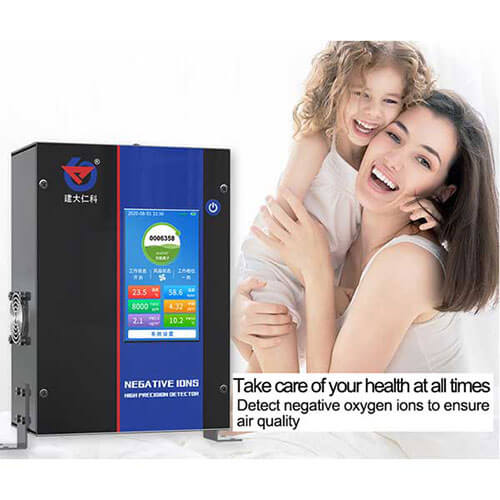


Use of temperature and humidity sensors in industrial automation
In the field of industrial automation, temperature and humidity sensors play a vital role. They are mainly used to monitor and control the temperature and humidity of the production environment in real time to ensure product quality and production efficiency. The following are the specific applications and functions of temperature and humidity sensors in industrial automation:
Real-time monitoring and control
Temperature and humidity sensors can monitor the temperature and humidity conditions of the production environment in real time and transmit these data to the control system. By automatically adjusting the temperature and humidity, the stability of the production process and the consistency of product quality can be ensured.
Quality control
In industries such as pharmaceuticals, food processing, and semiconductor manufacturing, precise control of temperature and humidity is crucial to product quality. Temperature and humidity sensors help maintain the stability of the production environment and ensure that products meet quality standards.
Energy saving and consumption reduction
Temperature and humidity sensors are linked with equipment such as air conditioners and humidifiers to automatically adjust the operating status according to the production environment, reduce unnecessary energy consumption, and achieve energy saving and emission reduction. This not only helps to reduce production costs, but also contributes to the sustainable development of enterprises.
Safety and health
In some industrial environments, suitable temperature and humidity are essential for the health and safety of operators. Temperature and humidity sensors can help monitor and adjust the environment to ensure personnel comfort and safety.
Data recording and analysis
Temperature and humidity sensors can continuously monitor and record environmental parameters, which are very valuable for monitoring and analyzing the production process. By analyzing historical data, potential problems can be discovered, production processes can be optimized, and product quality can be improved.
In summary, the application of temperature and humidity sensors in industrial automation not only improves production efficiency and product quality, but also plays an important role in energy saving, safety and health. With the continuous advancement of technology, the functions and application scope of temperature and humidity sensors will be further expanded.
https://www.renkeer.com/best-t....emperature-and-humid