

Social Business Network Logo
    • חיפוש מתקדם
  • אוֹרֵחַ
    • התחברות
    • הירשם
    • מצב יום
quickfixs social Cover Image
User Image
גרור כדי למקם מחדש את הכריכה
quickfixs social Profile Picture
quickfixs social
  • ציר זמן
  • קבוצות
  • אוהב
  • הבא
  • עוקבים
  • תמונות
  • סרטונים
quickfixs social profile picture
quickfixs social
2 שנים

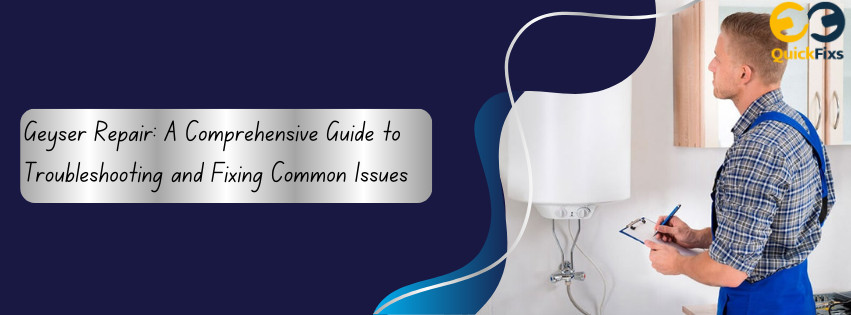
Geyser Repair: A Comprehensive Guide to Troubleshooting and Fixing Common Issues

Geysers, or water heaters, are vital for a comfortable living environment. They provide hot water for various household tasks, from bathing to cleaning. However, like any appliance, they are subject to wear and tear. Diagnosing and addressing
common issues can help maintain your geyser's efficiency and longevity. This guide will delve into common problems, often maintenance tips, and provide advice on when to call a professional.


1. Identifying Common Geyser Problems

Understanding the symptoms of geyser issues can help you diagnose and potentially fix them yourself. Here is a deeper look at a common problem:

No Hot Water

Causes:

Malfunctioning Thermostat: The thermostat controls the temperature of the water. If it is faulty, the geyser may not heat water at all.
Faulty Heating Element: The heating element is responsible for heating the water in the tank, If it fails, no hot water will be produced.
Tripped Circuit Breaker: Electrical issues can cause the geyser to stop working. A tripped breaker could cut off power to the appliance.
Solutions:
Check the Circuit Breaker: Locate your home's electrical panel and ensure that the breaker for the geyser is in the "ON" position. If it has tripped, reset it. If the breaker trips again, it may indicate a more serious electrical issue.
Inspect and Test the Thermostat: Use a multimeter to test the thermostat for continuity. If it is not functioning, it will need replacement.
Examine the Heating Element: Test the heating element with a multimeter. If it is defective, replace it with a new one compatible with your geyser model.
Inconsistent Hot Water Temperature
Causes:

Sediment Build-up: Over time, minerals in the water can accumulate at the bottom of the tank, causing uneven heating.
Faulty Thermostat: A malfunctioning thermostat can cause erratic temperature regulation.
Failing Heating Element: A partially working heating element may cause fluctuating temperatures.
Solutions:
Flush the Tank: To remove sediment, turn off the power and water supply, open the drain valve at the bottom of the tank, and let the water run until it is clear. This should be done at least once a year.
Test and Replace the Thermostat: If the temperature inconsistency continues, check the thermostat settings and functionality. Replace it if necessary.
Inspect the Heating Element: If the problem persists, the heating element might need replacement. Ensure the new element matches your geyser's specifications.
Water Discoloration
Causes:

Rust: Rusty water often indicates corrosion inside the tank or a failing anode rod.
Sediments and Minerals: Accumulated minerals can sometimes cause discolouration.
Solutions:
Flush the Tank: Regular flushing helps to remove sediments and can alleviate discolouration issues.
Check the Anode Rod: The anode rod helps prevent rust. If it is heavily corroded, replace it to prolong the tank's lifespan.
Water Leaking
Causes:

Corroded Tank: Over time, the tank can corrode, leading to leaks.
Loose Fitting: Pipes and connections may become loose and start to leak.
Damaged Valves: The temperature and pressure relief valve (TPR Valve) may be faulty.
Solutions:
Inspect the Tank: Look for signs of rust or corrosion. If the tank is corroded, it may need replacement.
Tighten or Replace Fittings: Ensure all fittings and connections are secure. Replace any damaged fittings.
Replace the TPR Valves: If the valve is damaged, it can be replaced. This valve is crucial for safety, as it prevents excessive pressure build-up.
Strange Noises
Causes:

Sediment Build-up: Sediment can cause popping or rumbling noises as the heating element heats the trapped water.
Heating Element Issues: A faulty heating element can also produce unusual sounds.
Solutions:
Flush the Tank: Removing sediment can often resolve these noises. Follow the same procedure as mentioned earlier.
Inspect the Heating Element: If noises persist, the heating element may need to be checked and replaced.


2. Basic Geyser Maintenance Tips
Regular maintenance can help to prevent issues and extend the life of your geyser. Here's how you can keep your geyser in good shape:

Regular Flushing

Sediment build-up can reduce efficiency and damage the tank. Flushing the tank helps remove these deposits and should be done annually. If you have hard water, you may need to flush more frequently.

Check the Pressure Relief Valve

The TPR valve prevents excessive pressure and temperature from building up inside the tank. Test it by lifting the lever to let some water out. If water flows freely, the valve is working. If not, it may need replacement.

Inspect and Replace Anode Rod

The anode rod is designed to attract corrosive elements in the water and protect the tank from rust. Inspect it every year and replace it if it's heavily corroded or worn down.


3. When To Call a Professional

Certain repairs may be beyond the scope of DIY fixes. Here is when it is best to call a professional:

Complex Electrical Issues: If you are unsure about handling electrical components or if the geyser has persistent electrical problems, it's safer to hire a licensed electrician.
Severe Corrosion or Water Damage: If the tank is severely corroded or if there is significant water damage, professional help is needed to assess and address the problems.
Unsuccessful DIY Repairs: If your attempts at fixing the geyser have not resolved the issue, a professional can provide a more accurate diagnosis and effective solutions.

4. Safety First

Working with geysers involves both electrical and plumbing elements, so always prioritize safety:

Turn Off Power: Ensure the power supply to the geyser is turned off before starting any repairs. This can usually be done by switching off the circuit breaker.
Use Proper Tools and Safety Gear: Employ appropriate tools for the job and wear safety gear, such as gloves and goggles, to protect yourself from accidents.
Follow Manufacturer's Guidelines: Refer to your geyser's user manual for specific repair instructions and safety precautions. Manufacturers often provide detailed guidelines for maintenance and repairs.

5. Choosing the Right Replacement Parts
When replacing parts, ensure compatibility with your geyser model:

Heating Elements: Choose heating elements with the same wattage and dimensions as the original.
Thermostats: Verify that the replacement thermostat matches the specifications of your geyser.
Anode Rods: Select an anode rod suitable for your tank’s size and water quality.


Conclusion

Maintaining and repairing a geyser involves understanding common issues, performing regular maintenance, and knowing when to seek professional help. By staying proactive and addressing problems early, you can ensure that your geyser remains a reliable source of hot water. Whether you’re handling minor repairs yourself or enlisting professional assistance, proper care will help extend the life of your geyser and keep it operating efficiently.
image
כמו
תגובה
לַחֲלוֹק
quickfixs social profile picture
quickfixs social
2 שנים

Ultimate Guide To AC Repair: Keep You Cool All Year Long

As the temperature soars, the last thing you want is for your air conditioning system to fail you. Whether you are dealing with an unexpected breakdown or just want to maintain your system's efficiency, understanding the basics of AC repair can save you time, money and frustration. In this comprehensive guide, we will walk you through common issues, preventive measures, and tips for effective repair.


1. Understanding your AC System

Before diving into repairs, it is essential to understand how your air conditioning system works. Most home systems consist of two main components:

The Evaporator Unit: Located inside your home, this unit absorbs heat and cools the air.
The Condenser Unit: Located outside your home, this unit releases the absorbed heat into the atmosphere.
Together, these components work for regular indoor temperatures and
maintain comfort.


2. Common AC Issues and Fixes

1. AC not turning on:

Check the power: Ensure the power is plugged in and the circuit breaker isn't tripped. Sometimes, a simple reset is all that is needed.
Inspect the thermostat: Ensure it is set to a temperature lower than the current room temperature and in cooling mode.
2. Insufficient Cooling:
Replace or Clean the Air Filter: A clogged filter can restrict airflow, leading to insufficient cooling. Change the filter every month.
Check the Refrigerant Levels: Low refrigerant can affect cooling efficiency. This usually requires professional assistance to handle it safely.
3. AC blowing Warm air:
Inspect the thermostat settings: Ensure the thermostat is set to cool and the temperature setting is lower than the current room temperature. Sometimes, simple settings adjustments can resolve the issue.
Examine the Condenser Coils: Over time, the coil can accumulate dirt and debris, reducing its ability to release heat. Clean the coils gently with a soft brush or a garden hose, but avoid using high-pressure water which could damage the coil.
Check for Obstruction: Ensure there are no obstructions around the condenser unit, such as leaves, branches, or debris, which can restrict airflow and affect performance.
4. Strange Noises:
Identify the Noise source: Different noises can indicate various issues:

Rattling: Loose or damaged components.
Hissing: Refrigerant Leak.
Grinding: Issue with the motor or fan blades.
Clicking: Electrical issues or a malfunctioning thermostat.
Inspect Fan Blades: Ensure the blades are not bent or obstructed by debris. Clean them gently if necessary and check for any signs of wear or damage.
5. Water Leakage:

Check the drain Pan and line: The drain pan collects condensation from the evaporator coil. If it overflows, it can cause water damage. Ensure the drain line is clear and the pan is not cracked or damaged.
Inspect the condensate pump: If your system has a condensate pump, ensure it's functioning properly. A malfunctioning pump can lead to water accumulation and leakage.

3. Preventive Maintenance Tips:

Regular maintenance helps prevent many common issues and ensures your AC system operates efficiently:

Regular Replace filter: Clean or replace the air filter every month. In high-use periods, such as summer, check more frequently.
Clean the coil: Both the evaporator and condenser coils should be cleared annually. Dirty coils can reduce cooling efficiency and increase energy consumption.
Inspect and seal ductwork: Check for leaks or damage in your ductwork and seal any gaps. Properly sealed ducts improve efficiency and ensure even cooling throughout your home.
Check Insulation: Ensure that insulation around the refrigerant lines is intact and in good condition. Proper insulation helps maintain efficiency and prevents condensation.
Schedule Professional Inspection: Have a qualified HVAC technician inspect your system at least once a year. They can perform a thorough checkup, clean components, and identify potential issues before they become major problems.

4. When to Call a Professional:

Certain issues are best handled by professionals due to their complexity and safety concerns:
Refrigerant Levels: Handling refrigerant requires specialized tools and knowledge. Professionals can safely recharge the system and repair any leaks.
Electrical Issues: Electrical components can be dangerous if mishandled. If you suspect electrical problems, such as issues with the wiring or circuit breaker, call a technician.
Complex Repairs: If you encounter major issues or complex malfunctions that you can't resolve yourself, a professional can provide a thorough diagnosis and repair.
5. Choosing the Right AC Repair Service
When selecting an AC repair service, consider these factors:

Reputation and Reviews: Look for companies with positive customer feedback and a good track record. Online reviews and recommendations from friends or family can be valuable.

Licensing and Certification: Ensure that the technicians are licensed and certified. Proper credentials indicate that they have the training and knowledge required for the job.

Experience: Choose a service with experience in repairing your specific type of AC unit. Different systems can have unique issues and repair needs.

Transparent Pricing: Opt for companies that provide clear and upfront pricing. Avoid those that offer vague estimates or unexpected charges.

Conclusion
Keeping your air conditioning system in optimal condition requires a combination of regular maintenance and timely repairs. By understanding common problems, performing routine checks, and knowing when to seek professional help, you can ensure that your AC system remains reliable and efficient throughout the year.

Stay proactive with your AC maintenance, and you’ll enjoy a cooler, more comfortable home environment no matter how high the temperatures rise.

image
כמו
תגובה
לַחֲלוֹק
quickfixs social profile picture
quickfixs social
2 שנים

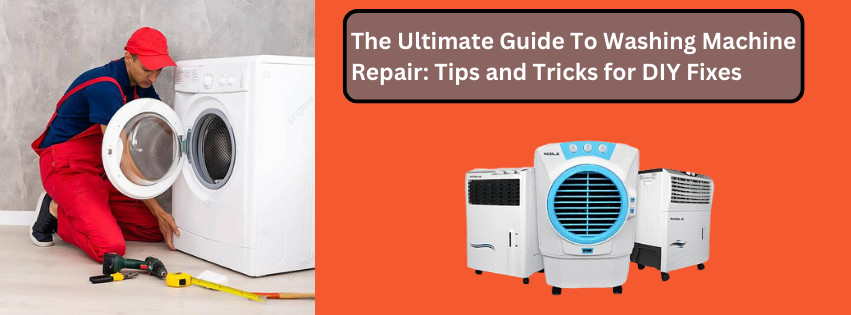
The Ultimate Guide To Washing Machine Repair: Tips and Tricks for DIY Fixes

Washing Machines are modern-day marvels that simplify our lives by taking care of the laundry. But like any other appliance, they can run into trouble. Whether it is a minor hiccup or a major malfunction, understanding the basics of washing machine repair can save you time, money, or a lot of frustration. In this guide, We will walk through common issues, potential fixes, and when to call a professional.


1. Diagnosing the Problem:

Before diving into repair, it is crucial to pinpoint the issue. Here are some common problems and their typical causes:

Washing Machine won't Start: This could be due to a faulty power supply, a malfunctioning door latch, or an issue with the control board.
Not Spinning Properly: Often caused by a clogged pump, unbalanced load, or worn-out drive belt.
Water Not Draining: This can be a result of a blocked drain hose, a malfunctioning pump, or a clogged filter.
Leaking Water: Common culprits include loose hoses, a worn-out door seal, or a damaged pump.
Excessive Noise: This could be due to foreign objects in the drum, worn-out bearings, or an unbalanced load.


2. Basic Troubleshooting Steps
Before calling a repair technician, try these simple troubleshooting steps:

Check Power Supply: Ensure the machine is plugged in securely and the outlet is functioning.
Inspect the hoses: Look for kinks, cracks, or loose connections in the water hoses.
Clean the filter: Many washing machines have a filter that can become clogged with debris, affecting performance.
Level the machine: Use a spirit level to check if the machine is balanced. Adjust the feet if necessary.

3. DIY Repair Tips

If you are comfortable with DIY repairs, here are some tasks you can tackle yourself.

Replace the door seal: If your washing machine leaks, the door seal might be damaged. Replacing it usually involves removing the old seal and installing a new one, which you can order online or from an appliance store.
Fix a Noisy Drum: If you hear unusual noises, check for foreign objects in the drum and inspect the bearings for wear. Replacing bearings is more complex and may require a professional if you are not familiar with the process.
Clear Clogged Drains: Remove and clean the drain hose and filter. If the pump is clogged, you might need to disassemble it to clear any obstructions.

4. When To Call A Professional

Some issues are too complex or risky to handle on your own. Here's when it is best to call a pro:

Electrical Problems: If the issue involves the control board or wiring, it is best to consult a licensed technician.
Major Components Failure: Problems with the motor, transmission, or main bearings often require specialized tools and knowledge.
Persistent Leaks: If you have tried fixing leaks but the problem persists, a professional can better diagnose and repair the issue.

5. Preventive Maintenance Tips

Regular maintenance can help extend the lifespan of your washing machine and prevent common problems:

Clean the machine regularly: Run a cleaning cycle or use a washing machine cleaner to remove detergent residues and prevent mould buildup.
Check hoses and connections: Periodically inspect the hoses and connections for wear and tear.
Level the washer: Ensure the machine remains level to avoid excessive vibration and wear on internal components.
Avoid Overloading: Follow the manufacturer's guidelines on load size to prevent strain on the machine.


6. Conclusion
Washing Machine repair doesn't have to be daunting. By understanding common issues, performing basic troubleshooting, and knowing when to seek professional help, you can keep your washer running smoothly and avoid costly repairs. Remember, while DIY fixes can be satisfying, safety should always come first. When in doubt, it is always wise to consult with a professional to ensure your washing machine remains in top shape.

image
כמו
תגובה
לַחֲלוֹק
quickfixs social profile picture
quickfixs social
2 שנים

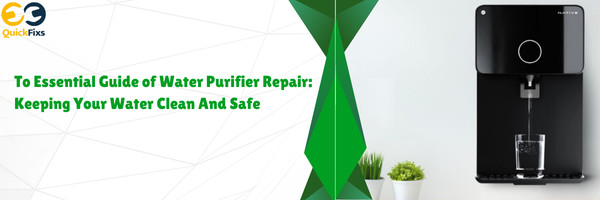
To Essential Guide of Water Purifier Repair: Keeping Your Water Clean And Safe

Introduction
In today's world, access to clean drinking water is more critical than ever. Water purifiers have become an essential appliance in many homes, providing a safeguard against contaminants and ensuring that we drink safe and healthy water. But what happens when your reliable water purifier starts showing signs of trouble? Regular maintenance and prompt repair are key to keeping your purifier in top shape. In this guide, we'll walk you through common issues troubleshooting tips, and when to call in a professional.


1. Understanding Your Water Purifier

Before diving into repairs, it's important to understand how your water purifier works. Most home water purifiers operate using a series of filters and membranes to remove impurities from tap water. The common types include:

Reverse Osmosis (RO) Systems: These use a semi-permeable membrane to filter out contaminants.
Ultraviolet (UV) Purifiers: These use UV light to kill bacteria and viruses.
Activated Carbon Purifier: These absorb impurities and improve taste.
Gravity-Based Purifier: These use gravity to filter water through various stages of filtration.

2. Common Issues and Solutions

1. Low Water Pressure

Symptoms: Water flow is slow or intermittent.

Causes:

Clogged filter: Over time, filters become clogged with impurities.
Outlet Pipes: Debris or scale buildup can obstruct water flow.
Solutions:
Replace or Clean filters: Regularly check and replace filters as recommended by the manufacturer.
Check and Clean Pipes: Inspect the pipes for blockages and clean them if necessary.


2. Unpleasant Taste or Odor:
Symptoms: Water tastes or smells bad even after filtration.
Causes:

Expired filter: Filters that are past their prime may not effectively remove contaminants.
Water Source: Sometimes, the problem may originate from the water supply itself.
Solutions:
Replace Filters: Change filters according to the manufacturer's schedule.
Test Water Quality: If the problem persists, consider having a water source tested.

3. Water Purifier Leaks

Symptoms: Water is pooling around the purifier.

Causes:

Loose Connections: Tubes and connections may loosen over time.
Damaged Seals: These parts can degrade and cause leaks.
Solutions:
Tighten Connections: Ensure all connections are secure.
Replace Seals: Check and replace any damaged seals.

4. Systems not turning on

Symptom: The purifier fails to start or power on.

Causes:

Power Supply Issues: The unit might not be getting power due to a faulty plug.
Internal Component Failure: Components like the power supply board might be malfunctioning.
Solutions:
Check Power Supply: Ensure the unit is plugged in and the outlet is working.
Inspect Internal Components: If you're comfortable doing so, open the unit and check for any obvious issues. Otherwise, consult a technician.

3. Regular Maintenance Tips

Preventative care can help avoid many common issues

Follow Manufacturer Guidelines: Adhere to the maintenance schedule provided.
Clean and Replace Filters Regularly: This helps maintain optimal performance.
Inspect and Sanitize: Periodically inspect the unit for any signs of wear or contamination and clean it as recommended.


4. When to Call a Professional
While many issues can be handled with a bit of DIY troubleshooting, some problems are best left to the experts:

Complex Repairs: If the issue involves internal components or complex systems.
Persistent Problems: If you have tried troubleshooting but the problem persists.
Safety Concerns: When dealing with electrical components or potential contamination issues.

Conclusion

Keeping your water purifier in good working condition is essential for ensuring that you and your family have access to clean, safe drinking water. By understanding common issues, performing regular maintenance, and knowing when to seek professional help, you can extend the lifespan of your purifier and maintain the quality of your water.

If you are even in doubt about a repair, don't hesitate to contact a professional service. They can provide expert guidance and ensure your purifier remains a reliable source of clean water for years to come. Stay hydrated and stay safe.

image
כמו
תגובה
לַחֲלוֹק
quickfixs social profile picture
quickfixs social
2 שנים

QuickFixs: Restoring Functionality to Your Washing Machine, One Repair at a Time.
QuickFixs is dedicated to restoring functionality to your washing machine, one repair at a time. With our expertise and commitment to excellence, we'll address any issue your appliance faces, ensuring optimal performance. For the Best washing machine repair services call +91 8888797157.

כמו
תגובה
לַחֲלוֹק
 טען עוד פוסטים
    מידע
  • 16 פוסטים

  • זָכָר
    אלבומים 
    (0)
    הבא 
    (6)
  • CB2025
    Mohammed badawi
    Blogs
    uconnect marketing
    infinityglory
    Mr x
    עוקבים 
    (1)
  • Accounts Seller
    אוהב 
    (0)
    קבוצות 
    (0)

© 2026 Social Business Network

שפה

  • על אודות
  • בלוג
  • צור קשר
  • מפתחים
  • יותר
    • מדיניות פרטיות
    • תנאי שימוש
    • בקש החזר

לא חבר

האם אתה בטוח שאתה רוצה להתנתק?

תדווח על המשתמש הזה

חָשׁוּב!

האם אתה בטוח שברצונך להסיר חבר זה מהמשפחה שלך?

אתה חיטטת 1cb5dc3cf

חבר חדש נוסף בהצלחה לרשימת המשפחה שלך!

חתוך את הדמות שלך

avatar

שפר את תמונת הפרופיל שלך

יתרה זמינה

0

תמונות


© 2026 Social Business Network

  • בית
  • על אודות
  • צור קשר
  • מדיניות פרטיות
  • תנאי שימוש
  • בקש החזר
  • בלוג
  • מפתחים
  • שפה

© 2026 Social Business Network

  • בית
  • על אודות
  • צור קשר
  • מדיניות פרטיות
  • תנאי שימוש
  • בקש החזר
  • בלוג
  • מפתחים
  • שפה

התגובה דווחה בהצלחה.

הפוסט נוסף בהצלחה לציר הזמן שלך!

הגעת למגבלה של 100000 חברים!

שגיאת גודל קובץ: הקובץ חורג מהמגבלה המותרת (92 MB) ולא ניתן להעלותו.

הסרטון שלך בעיבוד, נודיע לך כשהוא מוכן לצפייה.

לא ניתן להעלות קובץ: סוג קובץ זה אינו נתמך.

זיהינו תוכן למבוגרים בלבד בתמונה שהעלית, לכן דחינו את תהליך ההעלאה שלך.

שתף פוסט בקבוצה

שתף לדף

שתף למשתמש

הפוסט שלך נשלח, אנו נבדוק את התוכן שלך בקרוב.

כדי להעלות תמונות, סרטונים וקובצי אודיו, עליך לשדרג לחבר מקצוען. שדרוג לפרו

ערוך הצעה

0%

הוסף נדבך


בחר תמונה
מחק את השכבה שלך
האם אתה בטוח שברצונך למחוק את השכבה הזו?

ביקורות

שלם באמצעות ארנק

מחק את הכתובת שלך

האם אתה בטוח שברצונך למחוק כתובת זו?

התראת תשלום

אתה עומד לרכוש את הפריטים, האם אתה רוצה להמשיך?
בקש החזר

שפה

  • Arabic
  • Bengali
  • Chinese
  • Croatian
  • Danish
  • Dutch
  • English
  • Filipino
  • French
  • German
  • Hebrew
  • Hindi
  • Indonesian
  • Italian
  • Japanese
  • Korean
  • Persian
  • Portuguese
  • Russian
  • Spanish
  • Swedish
  • Turkish
  • Urdu
  • Vietnamese